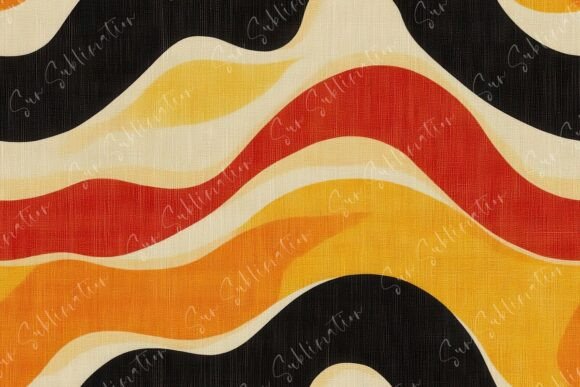
Unlocking the Power of Abstract Shapes and Patterns in Digital Design
In an era where visual communication is paramount, the ability to create compelling, high-quality digital assets has become a critical skill for designers, marketers, and content creators. Among the vast array of design elements available, abstract shapes and patterns stand out as versatile tools that can elevate any project from mundane to magnificent. Whether you are designing a website background, creating social media graphics, or preparing materials for print, understanding how to utilize seamless abstract patterns can significantly enhance your creative output.
This article explores the significance of artistic arrangements of abstract shapes, specifically focusing on warm color palettes, and explains why high-resolution, watermark-free digital assets are essential for modern professional workflows. We will delve into the technical specifications that matter—such as resolution and file format—and discuss how these elements contribute to both aesthetic appeal and practical utility in today’s fast-paced digital landscape.
The Artistic Value of Abstract Shapes and Warm Colors
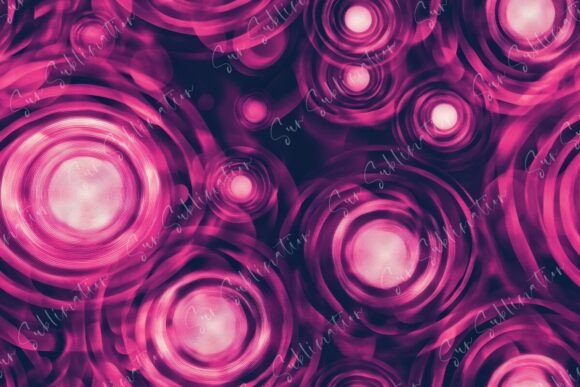
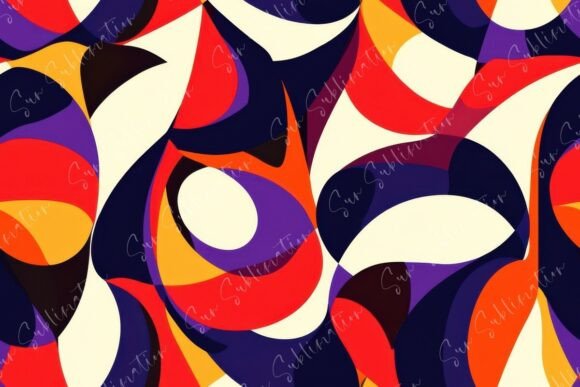
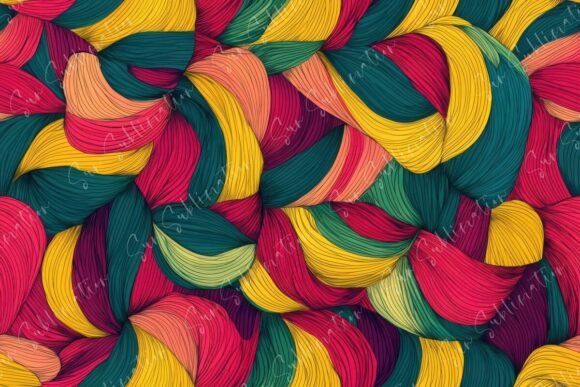
Abstract art is not merely about random scribbles; it is a deliberate arrangement of form, color, and line to evoke emotion and convey meaning without representing external reality. When we speak of artistic arrangements of abstract shapes, we refer to compositions that balance chaos with order. These designs often feature organic curves, geometric intersections, or fluid gradients that guide the viewer’s eye across the canvas.
One of the most effective ways to engage an audience is through the use of warm colors. Warm hues—such as reds, oranges, yellows, and earthy browns—are psychologically associated with energy, comfort, passion, and creativity. In design theory, warm colors tend to advance visually, making them excellent choices for focal points or backgrounds that need to feel inviting and dynamic. By blending these warm tones with abstract forms, designers can create a sense of movement and depth that static images often lack.
For example, consider a brand identity for a coffee shop or a creative agency. A seamless pattern featuring abstract swirls in shades of burnt orange and deep amber can instantly communicate warmth and artisanal quality. This is not just decoration; it is a strategic design choice that aligns visual aesthetics with brand values.
Why Seamless Patterns Matter
A "seamless" pattern is one that repeats infinitely without visible breaks or edges. This characteristic makes it incredibly useful for tiling backgrounds, wrapping textures around objects, or creating continuous borders. In the context of digital design, seamless patterns offer several advantages:
- Scalability: They can be resized to fit any dimension, from a small mobile icon to a large billboard, without losing integrity.
- Consistency: They provide a uniform look across different pages or products, reinforcing brand recognition.
- Efficiency: Instead of creating unique artwork for every section of a layout, designers can use a single seamless asset to fill large areas, saving time and resources.
Technical Specifications: Understanding Resolution and Format
When purchasing or downloading digital design assets, technical specifications are just as important as the visual appearance. Two key factors determine the usability and quality of a digital image: resolution and file format.
The Importance of 300 DPI Resolution
DPI stands for "Dots Per Inch," a measure of printing resolution. While screen displays typically operate at 72 DPI, professional printing requires a minimum of 300 DPI to ensure sharp, crisp details. An image with a resolution of 300 DPI contains more data per inch, resulting in higher clarity when printed.
Consider the difference between a blurry photograph and a sharp magazine cover. The latter is possible because of high DPI. For abstract shapes and patterns intended for physical products—such as business cards, brochures, packaging, or wall art—a 300 DPI resolution is non-negotiable. If you were to take a low-resolution image and stretch it to fit a poster, the pixels would become visible, ruining the professional look of the design.
File Size and Dimensions: 4500 x 3000 Pixels
The dimensions of an image dictate its maximum usable size. An image sized at 4500 x 3000 pixels offers significant flexibility. At 300 DPI, this resolution allows for a print size of approximately 15 x 10 inches with exceptional quality. This is ideal for medium-format prints, high-resolution web banners, and detailed digital presentations.
Furthermore, larger pixel dimensions mean less compression artifacting. JPEG files, while efficient, are lossy compressors. Starting with a high-pixel-count image ensures that even after compression, the fine details of the abstract shapes remain intact. This is particularly important for complex patterns where subtle gradients and edge definitions contribute to the overall artistic effect.
JPEG Format: Compatibility and Convenience
The JPEG (Joint Photographic Experts Group) format is one of the most widely supported image formats across all devices and software platforms. It is universally compatible with operating systems like Windows, macOS, iOS, and Android, as well as major design software including Adobe Photoshop, Illustrator, Canva, and Microsoft PowerPoint.
While JPEG is not ideal for images requiring transparent backgrounds (for which PNG or SVG might be preferred), it is excellent for full-color photographs and complex gradient-based abstract art. Its widespread support makes it a safe choice for designers who need to share assets with clients or team members who may not have specialized software.
The Digital Asset Workflow: Immediate Access and Convenience
In the modern creative economy, speed and accessibility are crucial. Traditional licensing models often involve lengthy approval processes, physical shipping, or restrictive usage rights. However, the shift toward digital downloads has revolutionized how designers acquire assets.
Immediate Download After Purchase
One of the primary benefits of buying digital design assets is the ability to download immediately after purchase. There is no waiting for shipping, no risk of packages getting lost, and no additional costs for delivery. Once the transaction is complete, the zipped file is available for instant access. This immediacy allows designers to start working on their projects right away, maintaining momentum and meeting tight deadlines.
No Physical Product: Pure Digital Utility
It is important to clarify that this product is a digital file only. No physical print, canvas, or merchandise is included. This distinction is vital for buyers to manage expectations. The value lies in the intellectual property—the high-resolution image file itself—which can be used endlessly for various purposes.
Because there is no physical product, the cost structure is also more favorable. Buyers pay for the creation and rights to use the asset, rather than for materials, labor, and logistics. This makes high-quality design assets accessible to freelancers, small business owners, and students who may have limited budgets but high creative ambitions.
Zipped Files and Organization
Most digital assets are delivered in a zipped file format. Zipping helps reduce the file size for faster downloads and keeps related files organized. Users simply need to unzip the archive to access the high-resolution JPEG. This standard practice ensures that the integrity of the file is maintained during transfer and storage.
Bridging the Gap Between Screen and Print
One common misconception among novice designers is that what they see on their monitor is exactly what will appear on paper. However, color variations between screens and printed products are inevitable due to differences in display technology and ink absorption.
Understanding Color Variance
Computer monitors emit light (RGB color model), while printers reflect light using ink (CMYK color model). As a result, certain vibrant screen colors cannot be perfectly replicated in print. Additionally, individual monitor calibration varies; one user’s "bright orange" might appear duller on another’s screen.
To mitigate this issue, it is always advisable to:
- Proof before printing: Order a single test print to check color accuracy.
- Use soft-proofing tools: Many design programs allow you to simulate how colors will look in CMYK before finalizing the file.
- Communicate with printers: Professional printers can adjust profiles to match your desired output more closely.
By acknowledging these limitations, designers can make informed decisions and set realistic expectations for their final outputs. The goal is not perfection, but consistency and intentionality in design.
Conclusion: Empowering Creativity with High-Quality Assets
The availability of high-resolution, seamlessly patterned abstract art in warm tones provides a powerful resource for creatives. By combining artistic merit with technical precision—specifically 300 DPI resolution, 4500 x 3000 pixel dimensions, and JPEG compatibility—these assets serve as a foundation for both digital and print projects.
Whether you are enhancing a corporate presentation, designing a personal blog, or creating marketing materials for a small business, investing in quality digital assets pays dividends. The immediate access, lack of physical constraints, and professional-grade specifications allow you to focus on what matters most: bringing your creative vision to life. As you explore the world of abstract shapes and patterns, remember that the right tool can transform a simple idea into a stunning visual experience.