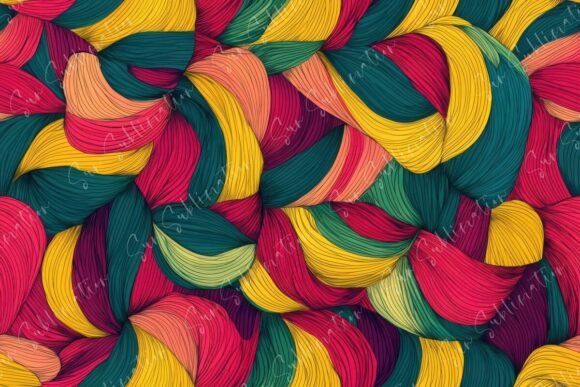
Evaluating Vivid Abstract Patterns Seamless for Digital and Print Applications
In the realm of digital design, visual assets serve as the foundational layer for everything from web interfaces to physical packaging. Among the vast array of available graphics, Vivid Abstract Patterns Seamless has emerged as a distinct category of asset that balances aesthetic complexity with technical utility. This specific type of graphic is not merely a decorative image; it is a functional tool designed for scalability, repetition, and high-fidelity reproduction. For designers, marketers, and content creators aged 20 to 50 who are evaluating resources for their projects, understanding the nuances of seamless abstract patterns is crucial for making informed purchasing decisions.
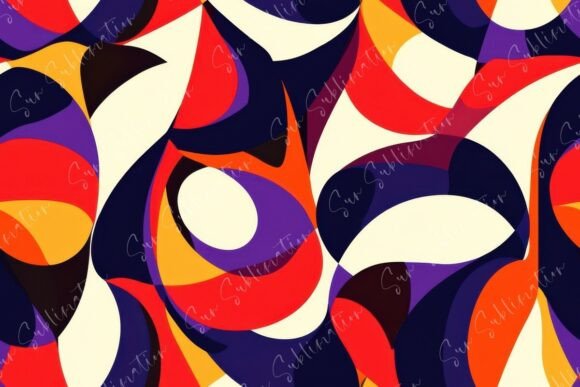
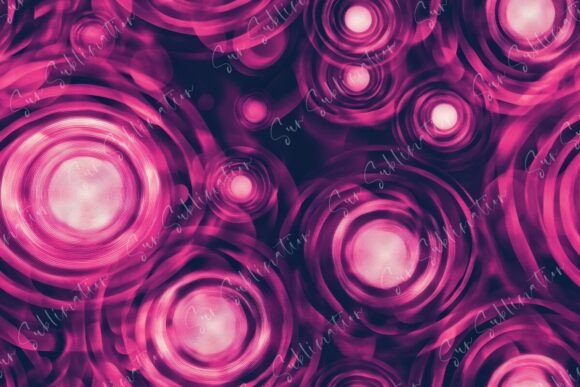
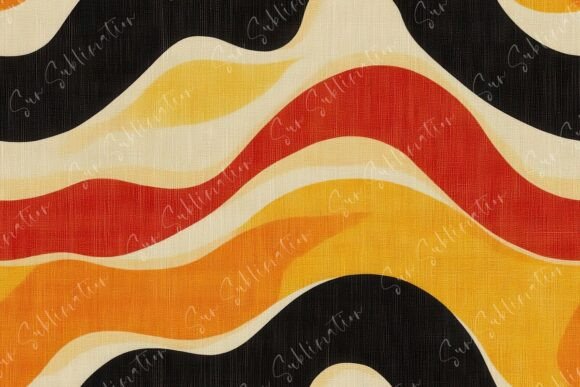
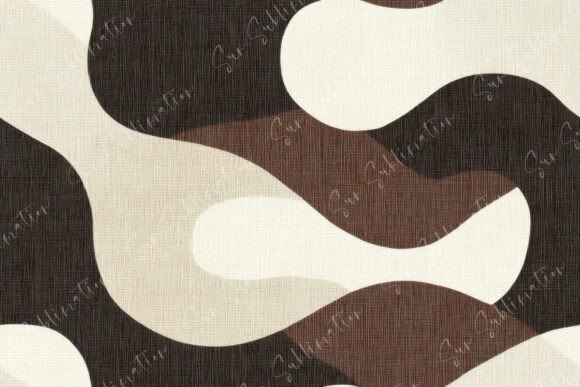
The core appeal of Vivid Abstract Patterns Seamless lies in its ability to provide continuous, non-repeating visual texture across any surface or screen dimension. Unlike standard raster images that may pixelate or show obvious tile boundaries when enlarged, a true seamless pattern loops invisibly. When combined with vibrant waves and swirling textures, these patterns offer a dynamic visual experience that captures attention without overwhelming the viewer. However, selecting the right asset requires more than just an appreciation for color; it demands an understanding of file specifications, resolution standards, and the practical limitations of digital versus physical media.
Technical Specifications and Asset Integrity
When comparing different sources for abstract patterns, the technical metadata of the file often dictates its usability. A primary differentiator in high-quality digital assets is the resolution and format. The standard for professional print work is typically 300 dpi (dots per inch), while digital screens operate at 72 or 96 dpi. A premium asset like Vivid Abstract Patterns Seamless, often provided at a size of 4500 x 3000 pixels with a 300 dpi resolution, bridges this gap effectively. This high pixel count ensures that the intricate details of the swirling textures remain sharp whether viewed on a high-resolution mobile device or printed on a large-format banner.
- Resolution Impact: At 300 dpi, the pattern retains clarity for print applications such as business cards, brochures, and textile designs. Lower resolution alternatives may appear blurry or jagged when scaled up, rendering them unsuitable for professional branding materials.
- Format Considerations: While JPEG is a widely supported format that offers a balance between quality and file size, it is worth noting that it uses lossy compression. For projects requiring transparency or infinite scalability, vector formats might be preferred. However, for complex, photorealistic abstract waves, JPEG remains a practical choice due to its compatibility across various software platforms.
- File Delivery: Modern digital marketplaces streamline the acquisition process by offering immediate download access via zipped files. This eliminates the wait times associated with physical goods and allows designers to integrate the asset into their workflow instantly.
Visual Dynamics: Waves and Swirling Textures
The aesthetic component of Vivid Abstract Patterns Seamless is defined by its use of vibrant colors and fluid motion. Abstract art, particularly patterns featuring waves and swirls, taps into the human brain’s preference for organic shapes and movement. These elements create a sense of depth and energy that static geometric shapes often lack. When evaluating such patterns, one must consider how the color palette interacts with the intended background or product.
Vibrant waves suggest flow and adaptability, making them ideal for technology brands, creative agencies, or lifestyle products that wish to convey innovation and dynamism. The "seamless" nature of the pattern means that these waves can extend infinitely, creating an immersive environment rather than a simple backdrop. This is particularly effective in user interface (UI) design, where backgrounds need to fill varying screen sizes without awkward cropping or visible seams.
However, the intensity of these visuals presents a tradeoff. Highly saturated, colorful patterns can compete with foreground content. Designers must exercise restraint when pairing Vivid Abstract Patterns Seamless with text or logos. Overlapping dense, swirling textures with small typography can reduce readability and accessibility. The best results are achieved when the pattern serves as a subtle enhancer to the overall composition, rather than the focal point itself.
Digital vs. Physical Application Challenges
A critical consideration for buyers is the discrepancy between digital display and physical output. Monitors emit light, while printed materials reflect it. Consequently, the colors you view on your screen will vary from the actual colors on the printed product. This phenomenon, known as gamut variance, is inherent to the difference between RGB (Red, Green, Blue) color models used by screens and CMYK (Cyan, Magenta, Yellow, Key/Black) models used by printers.
While a digital preview of Vivid Abstract Patterns Seamless may appear brilliantly vivid on an OLED monitor, the same colors may appear slightly muted or shifted when printed on paper or fabric. Professional designers account for this by using soft-proofing techniques within their design software to simulate print outcomes. Buyers should be aware that no physical proof is provided with digital downloads, placing the responsibility for color accuracy on the end user.
This limitation does not diminish the value of the asset but rather highlights the importance of proper workflow management. For purely digital applications—such as website headers, social media graphics, or app backgrounds—the color fidelity is generally preserved, making Vivid Abstract Patterns Seamless an excellent choice. For print-heavy projects, users may need to adjust the saturation levels in their design software to compensate for the anticipated shift in tone.
Comparing Seamless Patterns to Alternative Visual Strategies
When exploring design resources, consumers often compare seamless patterns against other visual strategies, such as solid color fills, photographic backgrounds, or custom illustration. Each approach has distinct strengths and tradeoffs.
- Solid Colors: Solid backgrounds offer maximum contrast and minimal distraction but can feel sterile or flat. Vivid Abstract Patterns Seamless adds personality and texture without the cognitive load of a complex photograph.
- Photographic Backgrounds: Photos provide realism but often contain distracting elements that clash with foreground content. They also require licensing considerations for commercial use. Seamless patterns offer a controlled, legally clear alternative that maintains visual interest through abstraction rather than representation.
- Custom Illustration: Commissioning unique artwork provides total control but comes with high costs and long lead times. Pre-made seamless patterns offer a cost-effective solution for rapid prototyping and bulk content creation, allowing designers to maintain a consistent brand aesthetic across multiple touchpoints.
The decision to use a seamless pattern often hinges on the need for consistency and scalability. If a brand requires the same visual theme across a website, email newsletters, and printed collateral, a seamless pattern ensures uniformity. Custom illustrations would need to be recreated or heavily adapted for each medium, whereas a high-resolution seamless file can be tiled and scaled effortlessly.
Decision Factors: When to Choose This Asset
Selecting Vivid Abstract Patterns Seamless is most appropriate when the project demands a blend of modern aesthetics and technical versatility. It is an ideal fit for:
- Web Design: Creating engaging hero sections or footer backgrounds that need to accommodate various viewport widths.
- Print-on-Demand: Generating designs for apparel, phone cases, or stationery where the pattern needs to repeat seamlessly across curved or irregular surfaces.
- Presentation Decks: Adding a polished, professional look to slide backgrounds without resorting to cliché stock photography.
Conversely, this asset may not be the right choice if the project requires a minimalist, corporate aesthetic where subtlety is paramount. In such cases, a low-opacity overlay or a solid pastel color might be more appropriate. Additionally, if the final output is strictly monochrome printing, the vibrant color aspect of the pattern becomes less relevant, though the structural texture may still provide value.
Practical Tips for Implementation
To maximize the effectiveness of Vivid Abstract Patterns Seamless, users should adopt a few best practices during implementation. First, always verify the dimensions of the target area before applying the pattern. Although the pattern is seamless, starting with a base image that closely matches the final output size reduces the need for excessive scaling, which can introduce artifacts.
Secondly, utilize opacity settings to tame the vibrancy. Applying the pattern at 10-20% opacity over a solid background color can create a sophisticated texture that enhances readability while retaining the visual flair of the swirling waves. Thirdly, consider the direction of the flow. Aligning the wave patterns with the natural reading path of the content can guide the user’s eye subtly, improving the overall user experience.
Finally, remember that digital assets are permanent resources once downloaded. Organizing these files within a structured library system ensures that they can be easily retrieved for future projects. Since there is no physical product involved and the download is immediate, the onus is on the buyer to manage their digital inventory efficiently. By treating Vivid Abstract Patterns Seamless as a strategic component of their design toolkit rather than just a decorative element, professionals can elevate the quality and cohesion of their visual communications.