Teal Yellow Summer Plaid Patterns
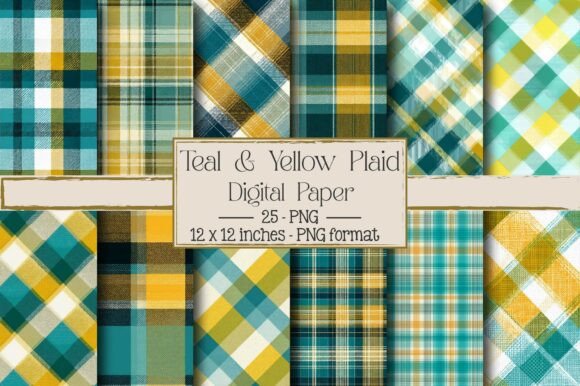
Visual texture plays a pivotal role in digital design, especially when the goal is to evoke specific seasonal moods. Teal Yellow Summer Plaid Patterns offer a distinct aesthetic that balances the calming depth of teal with the energetic warmth of yellow. This color combination is not merely decorative; it serves as a strategic tool for designers, small business owners, and hobbyists who need high-quality assets quickly. The availability of these patterns in PNG format with transparent backgrounds removes many technical barriers, allowing users to layer designs without worrying about clipping paths or complex masking techniques.
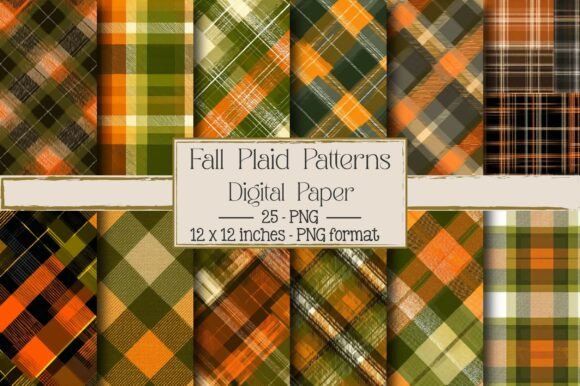
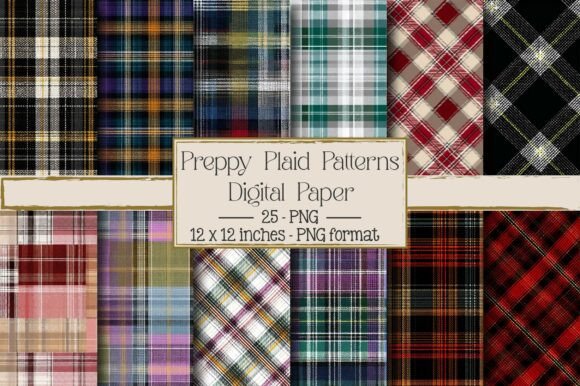
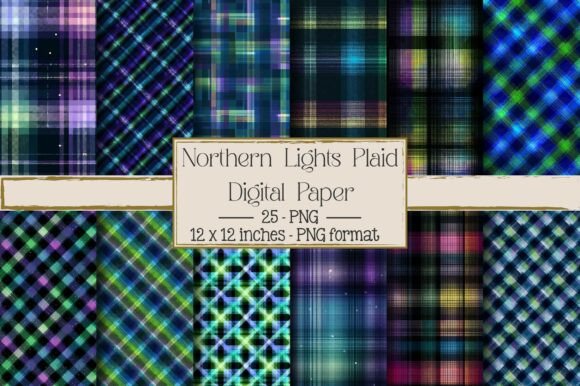
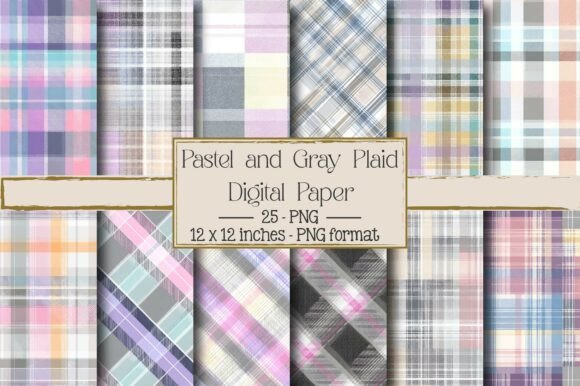
The core product described here includes 25 unique designs featuring a solid color distressed effect. This "distressed" quality is crucial for modern design trends, which often favor authenticity and tactile realism over flat, sterile graphics. By providing files at 300 dpi in a 12×12 inch resolution, the asset ensures that whether you are printing a large wall decor piece or a tiny sticker, the image remains crisp. Understanding how this specific resource fits into various workflows helps different types of creators maximize its potential.
Why Color and Texture Matter in Summer Design
Summer aesthetics are often associated with brightness, leisure, and vibrancy. However, effective summer branding requires more than just bright colors. It requires balance. Teal provides a cool, refreshing counterpoint to the heat implied by yellow. When combined in a plaid pattern, the result is a structured yet lively visual that feels both organized and organic. The addition of a distressed effect softens the geometric rigidity of the plaid, making it feel worn-in, vintage, or handcrafted.
For marketers and bloggers, this visual language communicates approachability and style. A brand using teal and yellow plaid might be positioning itself as creative, youthful, and reliable. For educators creating classroom materials, the pattern offers a cheerful backdrop that engages students without overwhelming text. The versatility of the transparent background means these patterns can be applied to any base color or image, expanding their utility far beyond simple background fills.
Evaluating Use Cases Across Different Audiences
Different professionals approach digital assets with varying priorities. A graphic designer looking for speed will value the instant download nature of this product, while a small business owner focused on product margins will care deeply about the commercial applicability and print quality. Here is how different groups might evaluate these patterns.
Small Business Owners and Print-on-Demand Entrepreneurs
For those selling physical products like t-shirts, stickers, or greeting cards, the primary concerns are cost-effectiveness, ease of integration, and print fidelity. The fact that these are PNG files with transparent backgrounds is a significant advantage. In the world of print-on-demand, manual removal of white backgrounds from every single file is time-consuming and prone to error. With pre-transparent PNGs, an entrepreneur can drag and drop the pattern onto a mockup template instantly.
The 300 dpi resolution is non-negotiable for professional printing. If a user attempts to use a lower-resolution web graphic on a t-shirt, the result will be pixelated and unprofessional. These 12×12 inch files provide ample data for most standard apparel prints. Furthermore, the distressed effect adds perceived value to physical goods. A plain plaid shirt might look generic, but one with a subtle texture looks curated and higher-end. This allows entrepreneurs to compete in crowded markets by offering products that feel artisanal rather than mass-produced.
Crafters and Hobbyists
Hobbyists engaged in scrapbooking, card making, or home decor often lack advanced software skills. They need resources that are forgiving and easy to manipulate. The instruction that these files are "easy to resize with different software" speaks directly to this audience. Whether using free tools like Canva or more robust applications like Photoshop, the ability to scale a 12×12 inch image without losing integrity is essential.
Consider a hobbyist creating a summer-themed birthday card. They can place the teal yellow plaid pattern behind a photo of the recipient, knowing the transparent edges won't clash with other elements. Or they might use it as a textured overlay on a digital invitation. The variety of 25 designs ensures that even if one pattern doesn't fit the specific mood of a project, alternatives are readily available within the same pack, maintaining visual consistency across a series of handmade items.
Graphic Designers and Creative Professionals
Professionals view assets as components of a larger system. For them, the value lies in efficiency and customization. A designer working on a seasonal campaign for a retail client might need to produce dozens of variations of a banner ad. Having a library of 25 pre-made, high-resolution plaid patterns saves hours of vector tracing or texture creation. The distressed effect provides a starting point for further manipulation; a designer can adjust opacity, blend modes, or color overlays to match a client’s exact brand guidelines.
Moreover, the transparent background feature allows for seamless tiling or edge-to-edge coverage on websites and digital ads. A professional knows that wasting time preparing assets detracts from the creative process. These files bridge the gap between stock photography (which can be expensive and legally restrictive) and custom illustration (which takes time). They offer a middle ground: high-quality, ready-to-use textures that enhance production speed.
Educators and Content Creators
Educators designing lesson plans, worksheets, or digital presentations benefit from engaging visuals. Teal and yellow are colors that stimulate attention without causing eye strain. A teacher creating a slide deck about summer ecosystems or historical fashion could use these patterns to break up text-heavy slides. The consistent style of the 25 designs allows for a cohesive theme throughout a unit or course module.
Similarly, bloggers and publishers looking to enhance their online content can use these images as featured posts or section dividers. In an era where visual retention is key, a well-placed textured header can increase the time a reader spends on a page. The digital nature of the product means there is no shipping delay, allowing educators to update their materials immediately before the start of a semester or academic year.
Practical Considerations for Implementation
While the benefits are clear, it is important to understand the practical limitations and expectations. As noted in the product details, this is a digital instant download. There is no physical item sent. This distinction is vital for consumers expecting a tangible good. Additionally, the disclaimer regarding color variation depending on devices and printers is a standard but critical part of digital asset usage. Screen calibration varies widely; what appears vibrant teal on a mobile phone may look slightly different on a desktop monitor or in print.
To get the best results, users should always perform a test print if they are producing physical goods. Software settings also play a role. When resizing the 12×12 inch files, it is advisable to maintain the aspect ratio and use high-quality resampling algorithms to preserve the distressed texture. Over-compressing the files for web use might blur the subtle distress marks, reducing the intended aesthetic impact.
Conclusion
Teal Yellow Summer Plaid Patterns represent a versatile resource that transcends simple decoration. By combining a popular color palette with a trendy distressed texture and technically sound file specifications, this pack serves a wide array of needs. From the busy entrepreneur seeking to streamline their product line to the hobbyist wanting to add a personal touch to handmade gifts, the value lies in the ease of use and the professional quality of the output. Evaluating your specific goals—whether they involve speed, creativity, or commercial viability—will help determine how effectively these 25 designs can elevate your next project.