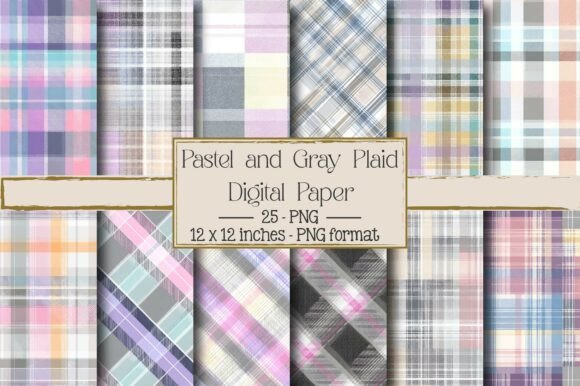
The Timeless Appeal of Pastel and Gray Plaid Patterns in Modern Design
There is a specific kind of visual harmony that occurs when soft, muted tones meet the structured geometry of plaid. It is a combination that feels both nostalgic and refreshingly contemporary. Pastel and Gray Plaid Patterns have emerged as a dominant force in digital design assets, bridging the gap between classic textile aesthetics and modern minimalist sensibilities. Whether you are a scrapbooker looking to add a touch of elegance to a baby shower album or a print-on-demand entrepreneur seeking high-quality textures for apparel, this particular color palette offers versatility that few other combinations can match.
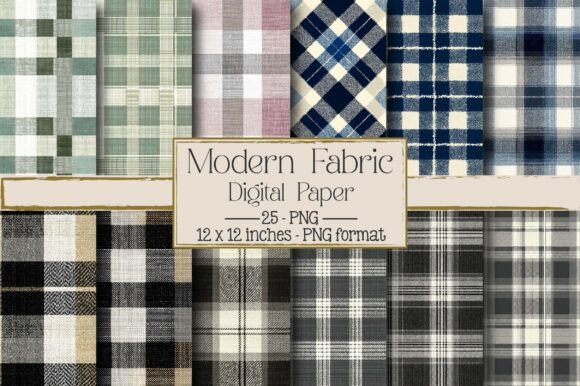
The appeal lies in its balance. Gray provides a neutral, grounding anchor—it is sophisticated, understated, and endlessly adaptable. When paired with pastel hues like blush pink, mint green, lavender, or sky blue, the result is a pattern that is gentle on the eyes yet distinct enough to serve as a focal point. This duality makes it an ideal choice for a wide array of creative projects, from delicate stationery designs to bold wall decor pieces.
Understanding the Digital Asset: What You Get
When designers talk about acquiring Pastel and Gray Plaid Patterns, they are often referring to high-resolution digital files designed for immediate use. Unlike physical fabrics that require shipping and handling, these assets are delivered as instant downloads, typically in PNG format. This distinction is crucial for understanding the workflow and potential applications of the material.
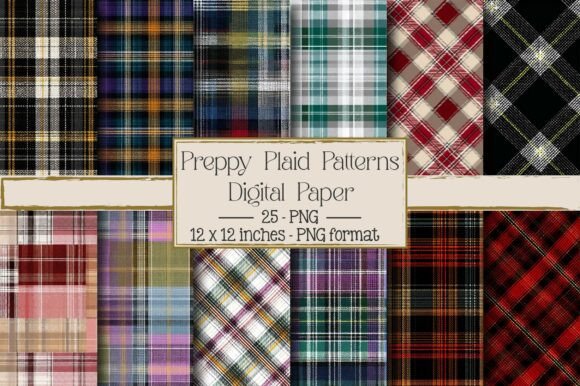
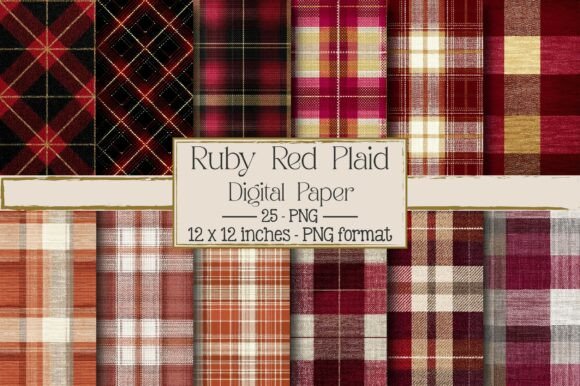
A standard package of these digital patterns usually includes multiple variations to ensure creative flexibility. For instance, a comprehensive set might offer 25 unique designs, each featuring a distinct arrangement of pastel and gray checks. These are not flat, solid colors; many modern digital plaid patterns incorporate a solid color distressed effect. This technique adds texture and depth, mimicking the look of worn fabric or vintage paper without the need for complex Photoshop layering on your part. The distressed elements break up the rigidity of the grid, adding an organic, handcrafted feel that resonates well with consumers today.
Technical Specifications That Matter
For any serious design project, resolution and dimensions are non-negotiable factors. High-quality Pastel and Gray Plaid Patterns are typically provided at 300 dpi (dots per inch). This is the industry standard for professional printing. If you attempt to scale a low-resolution image for a large poster or a t-shirt, the results will be pixelated and blurry. At 300 dpi, the edges remain crisp, and the details of the distressed texture are preserved, ensuring that your final product looks professionally made.
The standard size for these digital papers is often 12×12 inches. This dimension is particularly convenient because it aligns perfectly with the requirements of most scrapbooking software, card-making templates, and social media square formats. However, the true power of these PNG files lies in their transparency. With a transparent background, these patterns can be layered over other images, placed behind text, or used as overlays on existing designs without leaving unsightly white boxes around them. This feature significantly expands their utility beyond simple background usage.
Practical Applications Across Industries
The versatility of Pastel and Gray Plaid Patterns means they are not confined to a single niche. Their aesthetic neutrality allows them to fit seamlessly into various industries and personal hobbies. Here is how different creators utilize these assets in their workflows.
- Print-on-Demand and Apparel: One of the most lucrative uses for these patterns is in the fashion and accessory market. Because the color scheme is gender-neutral and seasonally flexible, it performs exceptionally well on unisex clothing items. Designers frequently apply these plaid patterns to hoodies, tote bags, and hats. The pastel tones make them suitable for spring and summer collections, while the gray base keeps them grounded for autumn wear. The key here is proper resizing; since the files are easy to resize with different software, you can adapt the pattern repeat to fit the specific dimensions of a garment mockup.
- Stationery and Greeting Cards: In the realm of paper goods, Pastel and Gray Plaid Patterns evoke feelings of warmth and sincerity. They are perfect for wedding invitations, thank-you notes, and birthday cards. The distressed effect adds a rustic charm that pairs beautifully with floral illustrations or calligraphy. A designer might use a subtle pastel plaid as a watermark behind elegant script, creating a layered effect that draws the eye without overwhelming the message.
- Digital Scrapbooking and Journaling: For hobbyists who document their lives digitally, these patterns serve as excellent backdrop pages. They provide structure without being distracting. A user might choose a mint green and gray plaid for a travel journal entry or a blush pink version for documenting a new home. The 12x12 inch size is the gold standard for digital scrapbooking layouts, allowing users to easily drag and drop photos, stickers, and journaling cards onto the patterned background.
- Home Decor and Wall Art: As interior design trends shift towards "soft minimalism," plaid has made a comeback in home decor. Digital artists create printable wall art using these patterns, framing them in simple wooden or metal frames. The transparent background capability allows these patterns to be combined with inspirational quotes or botanical line art, creating mixed-media effects that look expensive and curated.
Considerations for Buyers and Creators
While the benefits of using digital Pastel and Gray Plaid Patterns are clear, there are practical considerations that every buyer should keep in mind before starting their project. Understanding these factors ensures that the final output matches your expectations.
The Nature of Digital Downloads: It is vital to remember that this is a digital instant download. No physical item will be sent to you. This means you need access to a computer or tablet with design software such as Adobe Illustrator, Photoshop, Canva, or even free alternatives like GIMP. If you are not familiar with resizing images or managing file formats, you may need to invest some time in learning basic editing skills or seek assistance from a graphic designer.
Color Variance: Colors may vary depending on devices and printers. This is a universal truth in digital design, but it is especially relevant with pastel shades. Pastels are light and sensitive; a monitor calibrated with a cool blue tint might display a pastel yellow as slightly greenish, while a warm-toned printer might render it more orange. To mitigate this, always check your screen calibration if possible, and consider ordering a small test print before committing to a large batch production run, particularly for physical products like t-shirts or posters.
Licensing and Usage Rights: Always review the terms of service associated with the digital asset. While many personal-use licenses allow for unlimited prints for your own home or gifts, commercial use—such as selling items on Etsy or Amazon Merch—often requires a separate commercial license. Ensure that your intended use complies with the creator’s guidelines to avoid legal issues down the line.
Why Choose Distressed Textures?
You might wonder why a solid color distressed effect is preferred over a clean, sharp plaid. The answer lies in current aesthetic trends. Modern design favors authenticity and imperfection. A perfect, geometric grid can sometimes feel sterile or artificial. By introducing distress marks, scratches, or faded areas within the plaid pattern, the design gains character. It feels lived-in and approachable.
This texture also helps in hiding minor imperfections during the printing process. On physical products like fabric or paper, slight ink bleed or texture variations can occur. A distressed digital pattern naturally incorporates these kinds of irregularities, making the final printed product look more cohesive and less prone to appearing flawed. For the end-user, this translates to a product that feels higher quality and more thoughtfully designed.
Conclusion
Incorporating Pastel and Gray Plaid Patterns into your creative repertoire is a smart move for anyone involved in design, crafting, or branding. The combination of high-resolution 300 dpi PNG files, transparent backgrounds, and versatile color palettes offers immense value. Whether you are enhancing a personal scrapbook, launching a clothing line, or decorating your living space, these digital assets provide the foundation for beautiful, professional-looking results. By understanding the technical specifications and practical applications, you can leverage these patterns to create work that stands out in a crowded digital landscape. Thank you for exploring the possibilities of this timeless design element.