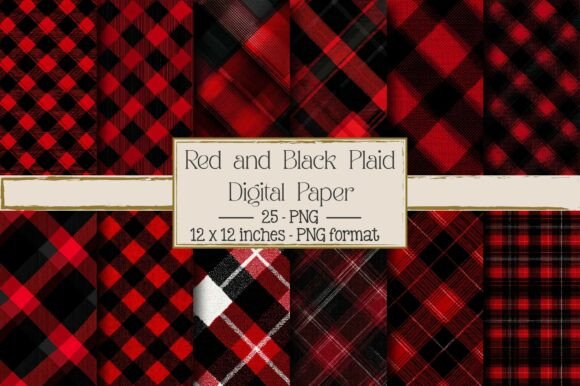
Red and Black Plaid Patterns
If you are looking to add a touch of classic, edgy style to your creative projects, red and black plaid patterns offer a timeless solution that never goes out of fashion. This specific color combination is instantly recognizable, evoking feelings of warmth, tradition, and a bit of rebellious flair. Whether you are a seasoned graphic designer, a small business owner creating branded merchandise, or a hobbyist scrapbooking for the first time, incorporating this pattern can elevate your work from ordinary to extraordinary.
The beauty of these designs lies in their versatility. They are not just limited to holiday themes; they serve as a robust aesthetic foundation for year-round creativity. When you integrate high-quality digital assets into your workflow, you save time while ensuring professional results. The following guide explores why these patterns are so popular, how to use them effectively, and what you need to know before starting your next project.
Understanding the Appeal of Red and Black Plaid
Plaid, often associated with tartans and heritage fabrics, has evolved into a universal design element. The red and black variation, in particular, strikes a powerful visual balance. Red captures attention and conveys energy, passion, and urgency, while black provides depth, sophistication, and contrast. Together, they create a look that is both bold and grounded.
In the context of digital design, this pattern works well because it is visually complex enough to be interesting but structured enough to remain readable when used as a background or accent. It appeals to a wide demographic, from teenagers who appreciate its association with alternative music scenes to adults who value its cozy, rustic charm. For entrepreneurs, this aesthetic can help brands communicate reliability mixed with a modern edge.
The Distressed Effect Advantage
One of the standout features of modern plaid designs is the distressed effect. Unlike flat, uniform prints, a distressed texture adds character and realism. It mimics the look of worn fabric, vintage paper, or aged paint, giving your digital files a tactile quality even on a screen. This "solid color distressed" approach ensures that the pattern feels organic rather than artificial.
For creators, this means your designs will stand out in a crowded market. A clean, crisp plaid might look nice, but a textured version invites the viewer to imagine touching the material. It adds layers of visual interest that keep the eye engaged without overwhelming the main subject of your design.
Technical Specifications and Ease of Use
When selecting digital assets, technical details matter significantly. High-resolution files ensure that your final product looks sharp, whether it is viewed on a smartphone screen or printed on a large wall poster. The standard for professional printing is typically 300 dpi (dots per inch). Files provided at this resolution guarantee that edges remain crisp and colors stay vibrant during the printing process.
Consider the dimensions and format of the files you choose. Many designers prefer working with PNG files that feature transparent backgrounds. This transparency is a game-changer for usability. It allows you to place the plaid pattern over any other image, text, or background color without having to deal with awkward white boxes or mismatched borders. You can layer the pattern under text for readability or over photos to add texture.
Furthermore, scalability is crucial. Professional-grade digital downloads are designed to be resized easily using various software programs like Adobe Photoshop, Illustrator, Canva, or Cricut Design Space. Being able to scale a 12×12 inch file up or down without losing quality gives you the flexibility to adapt one asset to multiple projects, from tiny stickers to large banners.
Practical Applications for Creators and Businesses
The utility of red and black plaid patterns extends across numerous industries. Here are some realistic ways to utilize these digital designs:
- Apparel Design: Print these patterns on t-shirts, hoodies, or tote bags. The distressed look pairs exceptionally well with denim and casual wear, making it ideal for streetwear brands or seasonal collections.
- Stationery and Greeting Cards: Use the pattern as a border or background for holiday cards, birthday invitations, or thank-you notes. The transparent background allows you to overlay elegant script fonts without losing the pattern's integrity.
- Home Decor: Create framed artwork, throw pillow covers, or wall decals. A large-scale print of a plaid pattern can make a bold statement in a living room or bedroom, adding warmth and structure to the space.
- Scrapbooking and Journaling: Hobbyists love using digital papers for digital scrapbooking or printing physical pages for handmade journals. The variety of 25 different designs offers endless combinations for themed layouts.
- Stickers and Labels: If you run an Etsy shop or sell at local markets, die-cut stickers featuring plaid designs are highly popular. They work great for labeling jars, decorating laptops, or adding flair to planners.
Commercial vs. Personal Use
It is important to distinguish between personal enjoyment and commercial enterprise. While beginners might use these patterns for family photo albums, small business owners can leverage them to create sellable products. However, always check the licensing terms associated with your digital download. Most high-quality digital assets come with licenses that permit the creation of physical goods for sale, which opens up significant revenue opportunities for freelancers and entrepreneurs.
Important Considerations Before You Start
Before diving into your design process, there are a few practical aspects to keep in mind to ensure satisfaction with your final output.
Digital-Only Nature: Remember that this is an instant digital download. No physical item will be shipped to your address. This means you need access to a computer, design software, and ideally, a printer or a printing service if you wish to create physical products. The convenience lies in the immediate availability of the files, allowing you to start designing right away.
Color Variance: Digital screens and physical printers reproduce colors differently. The vibrant reds and deep blacks you see on your monitor may appear slightly different when printed on paper or fabric. This is due to variations in monitor calibration and ink types. To mitigate this, always order a test print before committing to a large batch of production. Adjusting the color settings in your design software can also help align the digital preview with the physical result.
Software Compatibility: Ensure your chosen software supports PNG files with transparency. Most modern graphic design tools handle this seamlessly, but older or simpler applications might struggle. If you are using free online editors, verify that they allow for layer manipulation and exportation in high-resolution formats.
Maximizing Your Creative Potential
To get the most out of your red and black plaid patterns, experiment with mixing textures and colors. Pair the plaid with solid neutrals like cream, gray, or navy blue to let the pattern shine. Alternatively, try layering two different plaid designs with varying scales to create a dynamic, eclectic look. The key is balance—use the pattern as a star when appropriate, but don't be afraid to let it play a supporting role in more minimalist designs.
Whether you are crafting a heartfelt gift, launching a new brand identity, or simply organizing your digital portfolio, these 25 versatile designs provide a strong foundation. By understanding the technical benefits of high-resolution, transparent PNGs and appreciating the aesthetic power of distressed plaid, you can create materials that resonate with your audience. Take advantage of the ease of resizing and the broad range of applications to bring your creative vision to life efficiently and professionally.