Unlocking Creativity: A Comprehensive Guide to Fashion Flat Pattern Design Assets
In the rapidly evolving world of digital design, fashion illustration has become a cornerstone for brands, independent artists, and hobbyists alike. At the heart of this creative process lies a specific yet powerful tool: fashion flat patterns. Whether you are a seasoned graphic designer looking to expand your portfolio or a small business owner creating custom merchandise, understanding how to utilize high-quality flat pattern designs is essential. This guide explores the significance of these digital assets, their practical applications, and why they have become indispensable in modern creative workflows.
What Are Fashion Flat Patterns?
To understand the value of these assets, we must first define what a "fashion flat" actually is. In the fashion industry, a flat sketch (or flat pattern) is a technical drawing that represents a garment as it would look laid flat on a table, rather than worn by a model. Unlike artistic illustrations that might focus on mood, lighting, or dramatic poses, flats are precise, clean, and functional. They communicate the structural details of a piece of clothing—such as seams, pockets, zippers, and stitching—to manufacturers and buyers.
However, in the realm of digital downloads and print-on-demand services, the term has evolved. Today, "Fashion Flat Patterns" often refer to stylized, aesthetic representations of clothing items designed specifically for visual appeal rather than strict technical manufacturing. These designs capture the essence of trendy outfits—distressed denim, solid color tees, layered looks—in a way that is visually striking and easy to integrate into various projects.
The Appeal of Solid Color and Distressed Effects
One of the most popular variations of these digital assets features solid color distressed effects. This style combines the clean, minimalist look of solid-colored garments with the rugged, textured appearance of wear-and-tear. Think of a perfectly faded black t-shirt, a ripped pair of jeans, or a vintage-washed hoodie.
Why is this combination so effective? It strikes a balance between professionalism and edge. A solid color provides a neutral canvas that is easy to work with, while the distressed effect adds character, depth, and a sense of authenticity. For designers, this means they can create visuals that feel current and edgy without the complexity of managing intricate fabric textures from scratch.
Technical Specifications: Why Resolution and Format Matter
When purchasing or using digital design assets, technical specifications are not just fine print; they are the foundation of quality. A premium set of fashion flat patterns typically comes with specific attributes designed to ensure versatility and high fidelity. Let’s break down the key components you should look for:
- Resolution (300 DPI): Dots per inch (DPI) determines the sharpness of an image when printed. While screens typically display images at 72 DPI, professional printing requires 300 DPI. If you plan to use these designs on physical products like t-shirts or posters, a 300 DPI resolution ensures that the lines remain crisp and the colors do not appear pixelated or blurry.
- Dimensions (12×12 Inches): This square format is a standard size in the crafting and scrapbooking community. It offers a versatile aspect ratio that works well for social media posts, printable cards, and framed art. Furthermore, a 12x12 inch file provides enough pixel data to be resized down for smaller items without losing quality.
- Transparent Backgrounds: Perhaps the most critical feature for digital designers is the transparent background (often in PNG format). This allows you to place the fashion flat onto any background color, texture, or scene without a white box surrounding it. It enables seamless integration into complex compositions, such as placing a flat shirt design over a textured wall or combining multiple garments in a single collage.
Practical Applications: From Digital Screens to Physical Products
The true power of fashion flat pattern assets lies in their adaptability. Because they are high-resolution, vector-friendly (if applicable), and easily resizable, they fit into a wide array of creative industries. Here is how creators are leveraging these files in real-world scenarios.
1. Print-on-Demand and Apparel
The rise of e-commerce has empowered individuals to start their own clothing lines with minimal upfront investment. Platforms like Redbubble, Etsy, and Printful allow users to upload designs directly to products. Fashion flats are perfect for this because they represent the product itself. You can create mockups where the flat pattern is displayed alongside your logo, or use the flat as the primary graphic on a tote bag, sticker, or poster.
Note: While you can print the flat pattern on a t-shirt, many designers use these assets to create *mockups* of t-shirts. By layering the flat pattern over a template of a blank shirt, you can show potential customers exactly what a custom design will look like before it is manufactured.
2. Stationery and Paper Goods
For crafters and stationery designers, fashion flats are a goldmine. They are widely used in the creation of greeting cards, wedding invitations, and planner stickers. Imagine a set of bridal shower cards featuring elegant, illustrated dresses, or a birthday card with a cool, distressed streetwear vibe. The 12x12 inch size is ideal for cutting out individual elements to create layered paper crafts.
3. Social Media and Content Creation
Influencers and content creators constantly need fresh visuals to maintain engagement. Using fashion flat patterns allows creators to quickly produce outfit-of-the-day (OOTD) graphics, style guides, or mood boards. Instead of photographing every outfit, which can be time-consuming and require expensive lighting setups, designers can assemble digital collages using high-quality flat patterns. This method is consistent, clean, and highly shareable on platforms like Instagram and Pinterest.
4. Wall Decor and Home Art
Fashion illustration is not limited to clothing; it is also a form of art. Large-scale prints of fashion flats make for sophisticated, modern wall decor. A series of three large prints featuring different styles—minimalist suits, bohemian dresses, and urban streetwear—can transform a bedroom or office space into a stylish gallery. The transparent backgrounds allow these designs to blend seamlessly with various interior design themes.
Understanding the Digital Download Experience
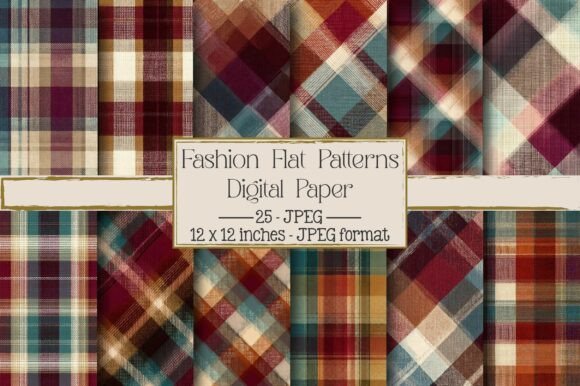
It is crucial for buyers to understand the nature of digital products. When you purchase a set of "25 Designs JPEG files," you are engaging in a transaction for intellectual property, not a physical good. Here is what you need to know to avoid common misunderstandings:
- Instant Access: Upon payment confirmation, you typically receive a download link immediately. There is no shipping time, no tracking numbers, and no waiting for delivery. This makes digital assets incredibly efficient for urgent projects.
- No Physical Item Sent: Do not expect a package to arrive at your door. The files are delivered electronically. Ensure you have a reliable internet connection and sufficient storage space on your computer or tablet to save the files.
- Color Variations: Digital colors are generated on screens using RGB (Red, Green, Blue) light, while printers use CMYK (Cyan, Magenta, Yellow, Key/Black) ink. As a result, the colors you see on your monitor may vary slightly from the final printed product. This is a natural limitation of color science. To mitigate this, always perform a test print if color accuracy is critical for your project.
Maximizing Value: Tips for Using Your Files
Once you have downloaded your 25 fashion flat patterns, how do you get the most out of them? Here are some expert tips for working with these assets:
Software Compatibility: JPEG files are universally compatible. You can open them in Adobe Photoshop, Illustrator, GIMP, Canva, Microsoft Word, or even basic photo viewers on your smartphone. This flexibility means you don’t need expensive software to start using your new assets.
Resizing with Care: While JPEGs are raster images (made of pixels), they can be resized. However, always resize *down* from the original 12x12 inch size. Enlarging a JPEG beyond its original dimensions can lead to pixelation. If you need a larger version, consider using AI upscaling tools or converting the image to a vector format if possible.
Creative Layering: Don’t just use the files as standalone images. Experiment with layering. Place a distressed flat pattern over a watercolor background, add text overlays for quotes, or combine multiple flats to create a full outfit ensemble. The possibilities are limited only by your imagination.
Conclusion
Fashion flat patterns are more than just drawings of clothes; they are versatile building blocks for creativity. Whether you are designing a brand identity, creating handmade gifts, or producing digital content, these assets offer a professional and polished look with minimal effort. By understanding their technical specifications, legal usage rights, and practical applications, you can unlock a new level of efficiency and artistic expression in your projects.
Remember, the key to success with digital assets is preparation. Choose high-resolution files with transparent backgrounds, respect the limitations of digital-to-print color conversion, and experiment freely with your designs. With a collection of 25 solid color distressed fashion flats, you are equipped to tackle a wide range of creative challenges, from personal scrapbooks to commercial product lines. Embrace the convenience of instant downloads and let your creativity take flight.
Thank you for visiting us and exploring the world of fashion design assets. We hope this guide helps you make informed decisions and creates inspiring results in your next project.