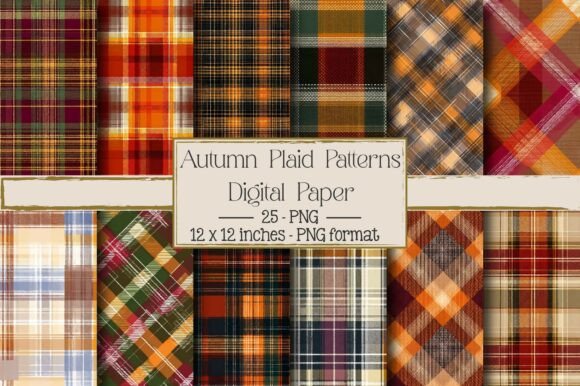
Autumn Plaid Patterns: A Practical Guide to Choosing and Using Digital Design Assets
When it comes to seasonal design, few motifs are as instantly recognizable or versatile as the autumn plaid pattern. For creators, small business owners, and hobbyists alike, incorporating these classic checks into projects can evoke warmth, nostalgia, and a cozy aesthetic that resonates deeply with audiences during the fall months. However, navigating the world of digital assets requires more than just clicking "buy." Understanding the technical specifications, usage rights, and practical applications is crucial to ensuring your final product looks professional and meets your specific needs.
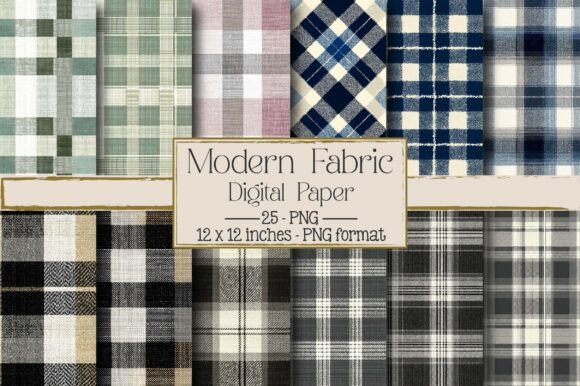
This guide focuses on high-quality Autumn Plaid Patterns, specifically examining what makes a digital asset truly valuable versus one that might lead to frustration later in your workflow. Whether you are designing stickers for an Etsy shop, creating scrapbook layouts, or preparing files for print-on-demand services, knowing what to look for in a digital download will save you time, money, and headaches.
Understanding the Technical Specifications
One of the most common pitfalls for beginners is purchasing low-resolution images under the assumption they will scale well. When evaluating a digital pack of Autumn Plaid Patterns, the resolution is non-negotiable. You should always look for assets that are at least 300 dpi (dots per inch). This standard ensures that when you print your designs—whether on cardstock, fabric, or vinyl—the lines remain crisp and the colors do not appear pixelated or blurry.
Another critical detail often overlooked is the file format and background transparency. High-quality digital plaid packs typically come in PNG format with a transparent background. This feature is essential because it allows you to layer the plaid pattern over other elements without having to manually remove a white box around it. If a pack includes only JPEGs with solid white backgrounds, you will spend hours trying to mask out the edges, which can result in jagged borders and a amateurish finish.
Additionally, check the dimensions. A standard size for digital crafting is 12×12 inches. This square format is widely compatible with popular software like Cricut Design Space, Silhouette Studio, Adobe Photoshop, and Canva. It provides ample space for cutting machines and fits perfectly within many digital scrapbooking templates. Ensure the files provided match these industry standards to avoid resizing issues that could distort the pattern’s integrity.
The Value of Distressed Effects and Solid Colors
Not all plaid patterns are created equal. Some designers offer flat, uniform grids, while others provide more textured, realistic options. A standout feature in premium Autumn Plaid Pattern packs is the inclusion of solid color distressed effects. These designs mimic the look of worn fabric, adding depth and character to your projects. This texture is particularly effective for:
- Stickers and Labels: The distressed look adds a vintage charm that appeals to consumers looking for handmade or artisanal vibes.
- T-Shirt Graphics: Printed on dark fabrics, a distressed plaid pattern creates a subtle, layered effect that looks intentional rather than like a simple overlay.
- Scrapbooking: It complements photos of outdoor activities, coffee shops, and rustic home decor beautifully.
By offering a variety of styles, including both clean solid colors and textured distressed versions, you gain flexibility. You can mix and match these patterns to create unique compositions. For instance, pairing a bold, solid red plaid with a softer, distressed beige check can create visual interest without overwhelming the viewer. This versatility is a key reason why investing in a comprehensive pack of 25 designs is often more cost-effective than buying individual patterns piecemeal.
Common Mistakes in Usage and Application
Even with high-quality assets, errors in application can ruin a project. Here are a few areas where users frequently stumble and how to avoid them.
Ignoring Print vs. Screen Differences
Colors on a monitor rarely match exactly what comes out of a printer. RGB colors (used for screens) are vibrant and backlit, while CMYK colors (used for printing) are muted and rely on ink absorption. Before committing to a full production run of t-shirts or posters, always order a single proof copy. Check if the deep oranges and reds in your Autumn Plaid Patterns shift too much toward brown or orange when printed. Adjusting brightness and contrast in your editing software before exporting can help mitigate these discrepancies.
Overlooking Resizing Limitations
While PNG files are vector-friendly in terms of clarity due to their high DPI, they are still raster images. This means that while you can easily resize them down for smaller items like phone wallpapers or small stickers, stretching a 12×12 inch pattern across a large wall mural may reveal pixelation if the original file isn’t sufficiently large. Always keep the intended output size in mind. For large-scale wall decor, ensure the source file supports upscaling without significant quality loss, or consider using vector-based SVG files if available.
Misunderstanding Commercial Use
A frequent misunderstanding among new entrepreneurs is assuming that a digital download automatically grants commercial rights. While many packs do allow for commercial use (such as selling physical products made from the designs), some are strictly for personal use. Always read the license agreement carefully. Look for terms that specify whether you can sell unlimited physical goods or if there are caps on the number of items you can produce. For small business owners, securing a commercial license is vital to protect your brand and legal standing.
Maximizing Your Investment
To get the most out of your Autumn Plaid Patterns, think beyond the obvious. Don’t just slap the pattern onto a background and call it done. Experiment with blending modes in your design software. Overlaying a plaid pattern with a "Multiply" or "Overlay" blend mode can create sophisticated textures that look custom-made. Combine these patterns with seasonal typography, leaf illustrations, or pumpkin graphics to create cohesive collections.
Consider the end-user experience. If you are making stickers, ensure the plaid pattern is scaled appropriately so that intricate details aren’t lost in the cut line. If you are designing frames, think about how the pattern interacts with negative space. A busy plaid pattern works best when balanced with ample breathing room around text or focal points.
Final Considerations Before You Download
Before finalizing your purchase of any digital asset pack, take a moment to verify the following:
- File Format: Confirm they are PNGs with transparent backgrounds.
- Resolution: Verify they are 300 dpi.
- Dimensions: Check that they are 12×12 inches or larger.
- Licensing: Read the terms to understand personal vs. commercial usage rights.
- Preview Quality: Look at sample images to judge the color palette and distress level.
Remember, this is a digital instant download. No physical item will be sent to you. This means immediate access is your primary benefit, but it also places the responsibility of quality control on you. By choosing a pack that offers 25 diverse designs, including solid color and distressed effects, you are investing in a versatile toolkit that can serve multiple projects throughout the year. With careful preparation and attention to technical details, Autumn Plaid Patterns can elevate your creative output, resulting in professional, polished products that stand out in a crowded market.