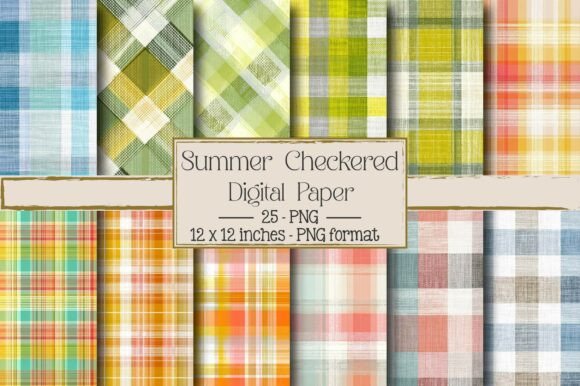
Embrace the Season: A Comprehensive Guide to Summer Checkered Patterns for Creative Projects
Summer is more than just a season; it is a vibe, a color palette, and a state of mind. It evokes images of sun-drenched beaches, ice-cold lemonade, and vibrant outdoor festivals. At the heart of this seasonal aesthetic lies one of the most timeless and versatile design elements: the checkered pattern. Whether you are a graphic designer looking to add a pop of retro flair to a brand identity, a small business owner creating merchandise, or a hobbyist scrapbooking your vacation memories, understanding how to utilize summer checkered patterns can elevate your creative output significantly.
In the digital age, accessing high-quality design assets has never been easier—or more critical. This guide explores the world of digital checkered designs, specifically focusing on distressed, solid-color variations that offer transparency and versatility. We will delve into why these specific attributes matter, how to use them effectively across various mediums, and what you need to know before downloading your next digital asset.
The Enduring Appeal of Checkered Patterns in Modern Design
Checkered patterns have a rich history, appearing in everything from ancient textiles to modern fashion runways. However, their resurgence in contemporary design is largely due to their adaptability. Unlike complex floral prints or abstract art, checks provide structure without overwhelming the eye. They serve as an excellent background element that allows other focal points—such as text, logos, or product photos—to stand out.
When we talk about "summer" checkered patterns, we are typically referring to brighter, lighter palettes. Think pastel blues, sunny yellows, crisp whites, and soft corals. These colors trigger psychological associations with warmth, happiness, and relaxation. For businesses, incorporating these patterns into marketing materials during the summer months can subtly influence consumer behavior, making brands feel more approachable and timely.
The Power of Distressed Effects
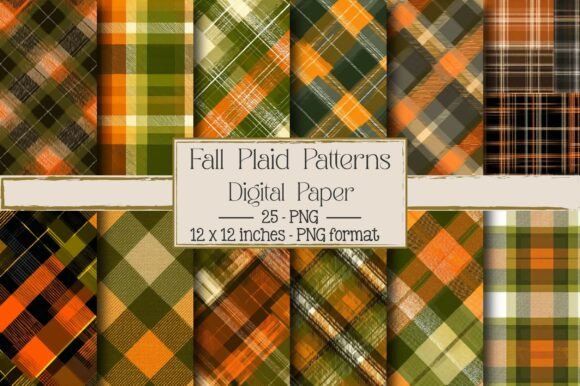
One specific variation that has gained immense popularity is the distressed effect. While a perfect, crisp grid can feel sterile or overly corporate, a distressed version adds texture and character. This "worn-in" look mimics vintage typography and aged paper, lending an authentic, handmade feel to digital designs.
This aesthetic is particularly effective for:
- Retro Branding: Brands aiming for a nostalgic 70s or 90s vibe often use distressed textures to bridge the gap between past and present.
- Bohemian Styles: The imperfection of a distressed pattern aligns perfectly with the organic, free-spirited nature of boho design.
- Casual Merchandise: On t-shirts and tote bags, a slightly faded or textured check looks less like a computer-generated image and more like a screen-printed fabric design.
Understanding Digital Assets: PNG Files and Transparency
For those venturing into digital design, understanding file formats is crucial. When you purchase or download a pack of designs, such as a set of 25 Designs PNG files, you are acquiring raster images. But why PNG? And why is the transparent background so important?
Why PNG Over JPEG?
JPEG files are compressed and typically have a white or colored background. If you try to place a checkered JPEG onto a colorful website banner or a dark-themed flyer, you will be stuck with a white square around your pattern. This ruins the integration and makes the design look amateurish.
PNG (Portable Network Graphics) files support transparency. This means that any part of the image not covered by the checkered pattern is invisible. When you drag and drop a PNG into software like Adobe Photoshop, Canva, or Illustrator, the pattern blends seamlessly with whatever layer is beneath it. This flexibility is the primary reason designers prefer PNGs for overlays and backgrounds.
The Significance of 300 DPI Resolution
Another critical specification mentioned in high-quality digital packs is 300 DPI (Dots Per Inch). DPI refers to the resolution of the image, or how many dots of ink are placed per inch when printed. Screen displays typically operate at 72 DPI, which is sufficient for websites but results in blurry, pixelated images when printed.
A 300 DPI resolution ensures that your design remains sharp and clear even when scaled up for physical production. Whether you are printing a large wall decor piece or a small sticker, starting with a high-resolution source file prevents quality loss. It gives you the freedom to resize without worrying about jagged edges or blurriness.
Practical Applications: From Stickers to Wall Decor
The versatility of summer checkered patterns extends far beyond simple digital wallpapers. Because they are available in standard sizes like 12x12 inches, they are perfectly formatted for common crafting and printing needs. Here is a breakdown of how creators are using these assets in real-world scenarios.
Physical Product Creation
If you run an Etsy shop or a print-on-demand business, these patterns are gold mines. The instructions note that these files are perfect for printing on physical products. Here is how different items benefit from this specific style:
- Stickers: Small, die-cut stickers featuring distressed checks are popular for journaling and laptop decoration. The transparency allows the sticker to blend with the user's existing stationery.
- T-Shirts and Apparel: Using sublimation printing, you can apply full-checkerboard patterns to shirts. The distressed effect helps hide minor printing imperfections and adds a trendy, streetwear aesthetic.
- Greeting Cards: For birthday or summer party invitations, a subtle checkered background provides a clean canvas for bold typography and personal messages.
Digital Scrapbooking and Social Media
Beyond physical goods, these assets are invaluable for digital content creation. Bloggers and influencers often use 12x12 inch PNGs as background layers for Instagram stories or Pinterest pins. The ability to easily resize these files means you can stretch a single pattern to fill a full-screen mobile view without losing clarity.
Important Considerations for Buyers and Creators
Before diving into your next design project, it is essential to understand the limitations and specifications of digital downloads. Misunderstandings here can lead to frustration, so let’s clarify a few key points.
Digital Instant Download vs. Physical Item
The most common misconception among new buyers is expecting a physical package in the mail. It is vital to remember that this is a digital instant download. No physical item will be sent to you. Upon purchase, you will receive a link to download the ZIP file containing your 25 PNG images. You must then transfer these files to your computer, tablet, or phone to begin designing. This model allows for immediate access and eliminates shipping costs and wait times.
Color Variance and Device Differences
While digital files are precise, the way colors appear can vary depending on the hardware used. Your monitor, smartphone, and printer all render colors differently. A "summer blue" might look slightly greener on an iPhone screen than on a calibrated desktop monitor. Furthermore, when you print these designs, the ink type (CMYK vs. RGB) will affect the final output.
To mitigate this, always:
- Use color-calibrated monitors if possible.
- Order a test print before committing to a large batch of physical products.
- Understand that slight variations are normal in both digital viewing and physical printing.
Software Compatibility
One of the biggest advantages of these assets is their ease of use. Because they are standard PNGs, they work with almost any software. You do not need expensive professional suites like Adobe Creative Cloud to utilize them. Free or low-cost tools like Canva, GIMP, Paint.NET, and even basic photo editors on smartphones can open and manipulate these files. This accessibility democratizes design, allowing beginners to create professional-looking products with minimal learning curves.
Conclusion: Elevating Your Creativity with Simple Patterns
Summer checkered patterns may seem simple at first glance, but their utility in design is profound. By combining the nostalgia of distressed effects with the technical precision of 300 DPI transparent PNGs, these assets offer a powerful tool for both digital and physical creation. Whether you are enhancing a brand’s visual identity, crafting unique gifts, or documenting your life through scrapbooks, these patterns provide a reliable foundation for creativity.
As you explore these designs, keep in mind the importance of context and application. Use the transparency to layer creatively, respect the resolution limits for print quality, and embrace the casual, warm aesthetic that defines summer design. With the right tools and a bit of experimentation, you can transform these simple geometric shapes into compelling visual stories.
Thank you for visiting and exploring the world of digital design assets. By understanding the nuances of format, resolution, and usage, you are already taking the first step toward producing higher-quality, more impactful creative work.