Evaluating Golden Silver Fabric Patterns for Digital Design Projects
In the realm of digital design and print-on-demand services, texture plays a pivotal role in determining the perceived value and aesthetic appeal of a final product. Among the various texture options available to designers, Golden Silver Fabric Patterns have emerged as a versatile and sophisticated choice. These patterns offer a unique blend of metallic luster and textile realism, providing a visual depth that flat colors or simple gradients often fail to achieve. For creators looking to enhance stickers, apparel, scrapbooks, and wall decor, understanding the specific attributes, technical specifications, and practical applications of these designs is essential for making informed creative decisions.
Understanding the Visual Appeal of Metallic Textures
The core appeal of Golden Silver Fabric Patterns lies in their ability to simulate the interplay of light on material surfaces. Unlike solid gold or silver backgrounds, which can appear flat and artificial, fabric-based textures introduce subtle variations in shading, weave, and distressing. This creates a sense of authenticity and tactile quality that resonates with viewers. The distressed effect mentioned in many premium pattern sets adds an element of vintage charm or rugged elegance, depending on the intensity of the wear simulated in the design.
When evaluating these patterns, it is important to recognize that they are not merely decorative overlays but foundational elements that can dictate the mood of a project. A golden fabric texture might evoke luxury, warmth, and tradition, while a silver variant often suggests modernity, sleekness, and technological sophistication. By combining these two distinct metallic tones, designers gain access to a broader spectrum of emotional resonance, allowing them to tailor their work to diverse audiences and themes.
Technical Specifications and File Formats
For professional results, the technical integrity of the asset is just as critical as its visual appearance. High-quality digital assets typically come with specific parameters that ensure compatibility across various design software and printing methods. In the case of premium Golden Silver Fabric Patterns, several key technical features define their usability:
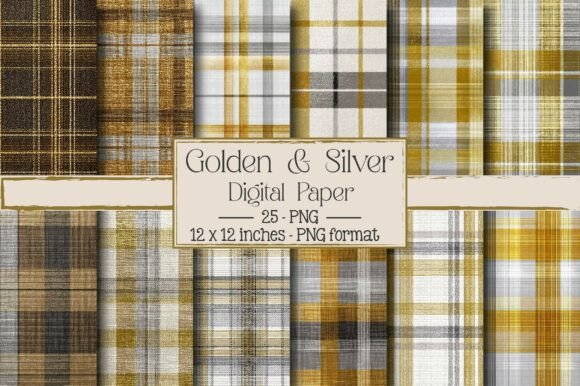
- Resolution and Dimensions: Standard high-end patterns are often provided at 300 dpi (dots per inch) with dimensions of 12×12 inches. This resolution ensures that the image remains crisp and clear even when scaled up for larger prints, such as wall art or large-format banners. The square format is particularly convenient for layout designs, social media graphics, and standard paper sizes.
- Transparent Backgrounds: One of the most valuable features of these PNG files is the inclusion of a transparent background. This allows designers to layer the fabric texture over any color or image without being constrained by a white or colored box. It provides maximum flexibility in composition, enabling seamless integration into complex designs where the texture needs to conform to specific shapes or layers.
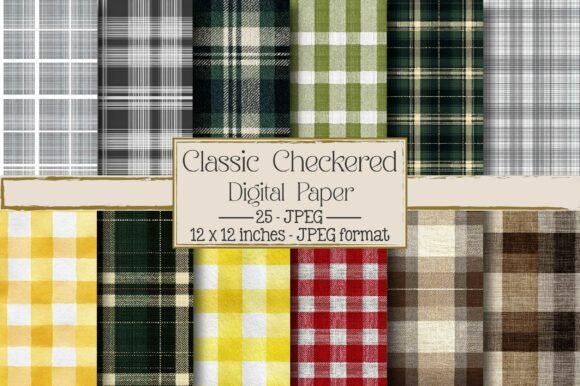
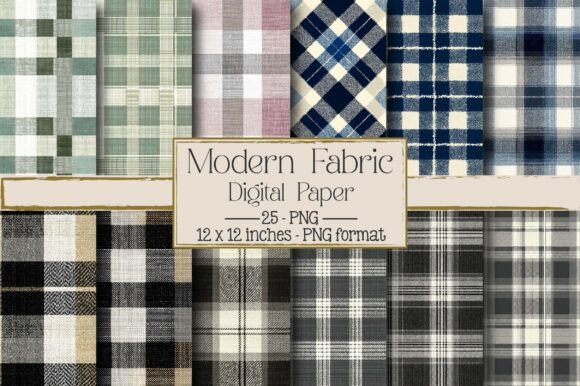
- File Quantity and Variety: Comprehensive packs often include multiple variations, such as 25 distinct designs within a single collection. This variety prevents visual monotony and allows for cohesive yet dynamic projects. Whether a designer needs a fine weave for a delicate card or a coarse, heavy distress for a rugged sticker, having a range of options within the same stylistic family ensures consistency across a brand’s visual identity.
Comparing Fabric Patterns to Other Texture Types
When selecting textures for digital projects, designers often face a choice between different material simulations, such as paper, wood, metal sheets, or actual fabric. Comparing Golden Silver Fabric Patterns to these alternatives reveals distinct advantages and tradeoffs.
Versus Solid Metallic Gradients: Solid gradients are easy to create and manipulate but often lack the organic irregularities that make a design feel "real." Fabric patterns provide micro-details—threads, wrinkles, and uneven dye distribution—that catch the eye and add subconscious depth. While gradients are faster to produce, fabric patterns offer a higher perceived professionalism for premium products.
Versus Paper or Cardstock Textures: Paper textures are excellent for invitations and stationery, offering a matte or glossy finish. However, they do not convey the same weight or durability as fabric. If the goal is to simulate a high-end textile product, such as a branded tote bag or a luxurious garment label, fabric patterns are the superior choice. They bridge the gap between digital representation and physical reality more effectively than paper simulations.
Versus Abstract Noise or Grain: Abstract noise adds grit but lacks directional structure. Fabric patterns have a woven structure that implies direction and tension, which can guide the viewer’s eye through a composition. This structural element makes them more suitable for structured designs like frames, borders, and logo backgrounds.
Practical Applications and Use Cases
The versatility of Golden Silver Fabric Patterns makes them suitable for a wide array of physical and digital products. Their ability to be resized easily with different software tools means they can adapt to various production requirements without significant loss of quality.
Apparel and Accessories: Printing these patterns on t-shirts, hoodies, or hats can create a striking visual impact. The distressed look pairs well with streetwear aesthetics, while the smoother golden variants suit formal wear accessories like ties or pocket squares. When used in mockups, these textures help customers visualize how the fabric would drape and reflect light in real life.
Stationery and Greeting Cards: For special occasions, such as weddings, anniversaries, or corporate events, golden and silver fabric textures add a touch of elegance. They serve as perfect backgrounds for text overlays, creating a contrast that enhances readability while maintaining a luxurious feel. Scrapbookers also benefit from these patterns, using them to frame photographs or add thematic depth to memory pages.
Home Decor and Wall Art: Large-scale prints of these fabric patterns can transform ordinary walls into focal points. The transparency feature allows artists to composite the texture over other artistic elements, creating mixed-media effects that mimic canvas paintings or tapestries. This is particularly effective for limited-edition prints where the texture itself is part of the artistic statement.
Stickers and Decals: In the world of vinyl stickers, texture differentiation is key to standing out. A sticker with a realistic fabric texture appears more premium than one with a flat color fill. The 12x12 inch resolution ensures that intricate details of the weave remain visible even on smaller cutouts, enhancing the overall appeal of the product.
Considerations for Digital-Only Purchases
It is crucial for buyers to understand the nature of digital asset transactions. Golden Silver Fabric Patterns are typically sold as instant downloads, meaning no physical item is shipped. This model offers immediate access and lower costs but requires users to have the necessary hardware and software to utilize the files.
Color Accuracy: One inherent limitation of digital textures is color variation. Screens display colors using RGB light, while printers use CMYK ink. As a result, the golden hues may appear brighter or warmer on screen than they do in print. Similarly, silver tones might shift towards gray depending on the printer’s calibration. Designers should always perform test prints or use soft-proofing tools in their software to anticipate these shifts before committing to large production runs.
Software Compatibility: While these PNG files are widely compatible, the ease of resizing and editing depends on the software used. Professional tools like Adobe Photoshop or Illustrator offer advanced layer blending modes that can enhance the realism of the fabric texture. Simpler apps may not support transparency or high-resolution scaling as effectively, potentially limiting the creative output.
Decision Factors: When to Choose Fabric Patterns
Selecting Golden Silver Fabric Patterns is most beneficial when the project demands a balance between luxury and realism. If the goal is to create a minimalist, flat-design interface, these textures may be overkill. However, for branding materials, packaging, and artisanal products, they provide a competitive edge by elevating the perceived quality of the item.
Readers should evaluate their specific needs against the strengths of this asset type. If you require rapid prototyping with simple shapes, basic vector graphics might suffice. But if you are aiming for a tactile, high-end finish that mimics physical materials, investing in a comprehensive pack of distressed fabric patterns is a strategic move. The combination of transparency, high resolution, and varied designs offers long-term utility across multiple projects, making it a cost-effective resource for serious designers.
Ultimately, the success of incorporating these patterns lies in thoughtful application. By respecting the limitations of digital-to-print translation and leveraging the unique visual properties of the distressed fabric effect, creators can produce work that stands out in a crowded marketplace. Whether for personal projects or commercial ventures, Golden Silver Fabric Patterns represent a robust tool in the modern designer’s arsenal, capable of bridging the gap between digital imagination and physical expression.